DATA_SET_04
Deep Sea Gigantism
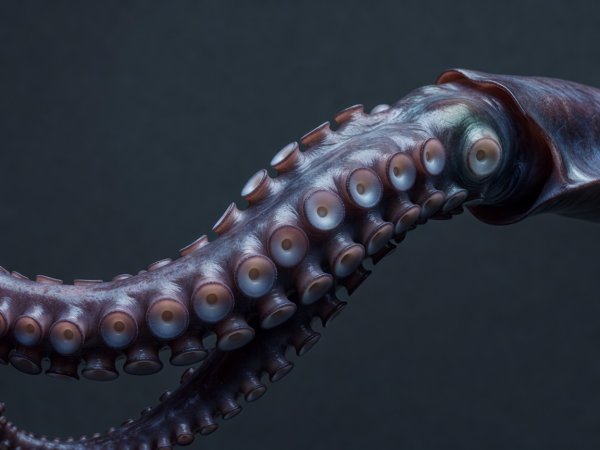
Descend below 3,000 meters into the abyssal and hadal zones of the ocean, a lightless realm subjected to bone-crushing hydrostatic pressure. Here, an evolutionary anomaly known as Deep Sea Gigantism takes hold. For reasons biologists are still deciphering, many invertebrate species in the deep ocean grow to massive, nightmarish proportions compared to their shallow-water relatives.
The Colossal Squid (Mesonychoteuthis hamiltoni), boasting eyes the size of dinner plates, fiercely battles sperm whales in the frigid Southern Ocean depths. Giant Isopods, scavenging crustaceans that look like massive aquatic pillbugs, grow over a foot long. The Japanese Spider Crab can reach a staggering leg span of 12 feet.
Scientists theorize that a combination of near-freezing temperatures, which dramatically slow down metabolic rates and increase cellular lifespan, coupled with a lack of predators and scarce food resources, pushes these species to prioritize massive size for energy storage. Swiss oceanographer Jacques Piccard was one of the first humans to glimpse these alien environments when he descended into the Mariana Trench in 1960, revealing a thriving ecosystem where science assumed there would only be a desolate wasteland.